Once you’ve made peace with the fact that your child needs support, a new question comes up almost immediately. Should you sit in a waiting room every week, or would sessions from your own living room work just as well? It’s a small decision that somehow feels huge, especially when you want to make the right call for your child.
There’s no universal answer here, but understanding what each option actually looks like can make the choice feel a lot less overwhelming.
The Case for In-Person Sessions
Some children genuinely thrive with face-to-face interaction. For younger children, sitting in the same room with a therapist can help them stay focused, especially those who are easily distracted by screens or need physical cues and hands-on activities to keep them engaged. If your child struggles with attention or needs a lot of physical cueing, private children’s speech therapy delivered in person might feel more natural, at least in the early stages.
There’s also something reassuring for parents about being physically present, watching the session unfold, and asking questions in real time without a screen in between.
The Case for Online Sessions
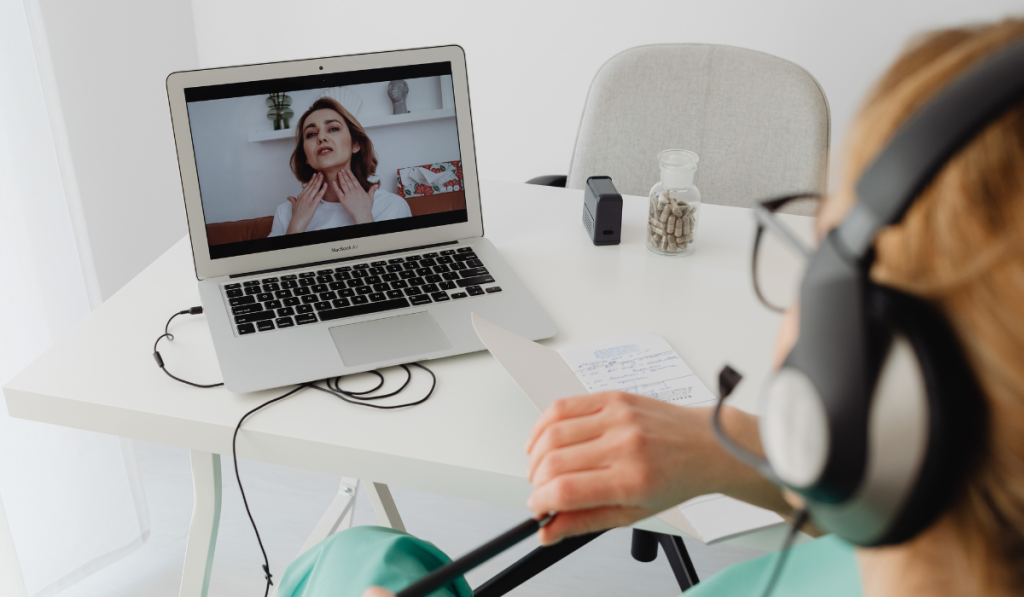
On the other hand, online therapy has become a genuine lifeline for busy families. No traffic, no rearranging your entire afternoon around a single appointment, and your child gets to stay in a space where they already feel safe and comfortable. Many parents are surprised by how naturally toddlers respond to a screen, especially when a skilled child speech and language therapist knows how to keep sessions playful and engaging.
For families juggling work schedules or living further from a clinic, speech therapy for children delivered online often removes barriers that would otherwise delay getting started altogether.
What Actually Matters Most
Here’s the truth most people don’t say out loud. The setting matters far less than the person guiding the sessions. A skilled and experienced child speech and language therapist can adapt their approach whether they’re sitting across from your child or connecting through a screen. What truly makes the difference is consistency, patience, and a therapist who genuinely understands how your specific child learns and communicates.
Choosing What Is Right for Your Family
Start by considering your child’s personality. Do they get overwhelmed in new environments, or do they adapt easily to just about anything? Also consider your schedule; consistency is more important than the format itself. Sometimes a mix of both works beautifully, starting in person to build comfort, then shifting to online sessions as your child settles into a routine.
Final Thoughts
There isn’t a wrong answer here, only what fits your child and your family best. Whether you choose sessions in a clinic or from your kitchen table, what matters is that you’re taking that first step. Chattertots offers both options, because every family deserves flexible, high-quality speech therapy for children that actually works for real life.
FAQs
- Is online speech therapy as effective as in-person therapy?
For many children, yes. What matters most is the therapist’s skill and consistency, not just the setting.
- What age is best suited for online speech therapy?
Children as young as toddlers can benefit, especially when sessions are designed to feel playful and interactive.
- Can we switch between online and in-person sessions?
Yes, many families combine both approaches based on what works best for their child at different stages.
- What do I need at home for an online session?
Just a laptop or tablet with a camera, a quiet space, and a few familiar toys nearby.
- Will my child stay focused during an online session?
Most children adjust quickly, especially when the therapist uses engaging games suited to their attention span.
