If your child struggles to form words or string a sentence together, you have probably wondered whether therapy over a screen can really help. It feels strange at first. You want your child sitting across from a real person, not a laptop camera. That worry is completely normal, and it is one of the first questions parents bring to any child speech and language therapist.
Why Screens Don’t Mean Less Connection
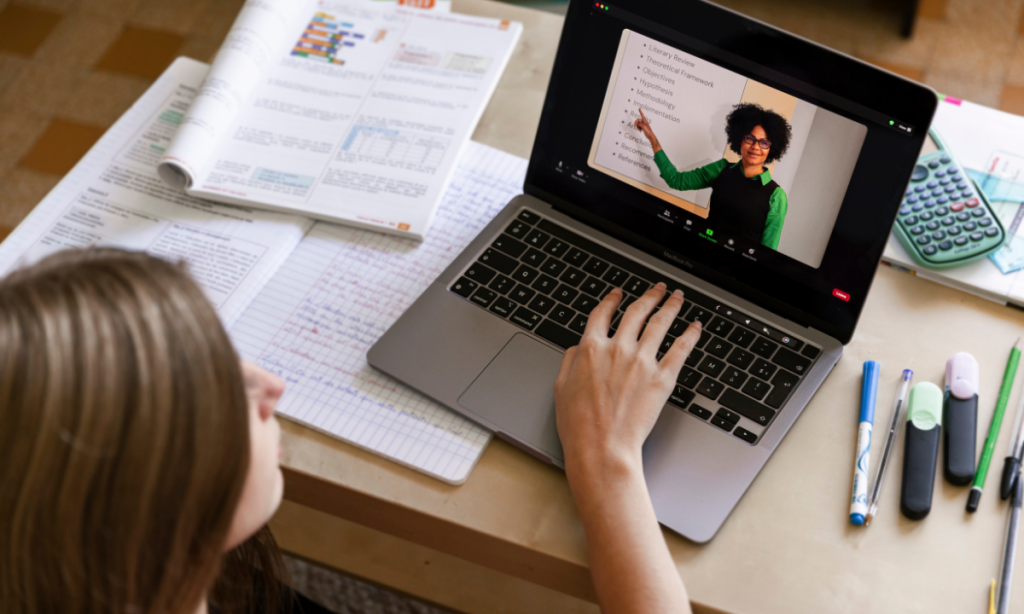
Online sessions are not just video calls with worksheets. A skilled therapist uses games, songs, and interactive tools designed specifically for a child’s attention span. Many children actually relax more at home, in their own space, surrounded by familiar toys. That comfort often leads to better engagement than a clinic room ever could.
Parents who have tried virtual speech therapy for children often notice something else too. They get to watch every session. They pick up the same techniques the therapist uses and repeat them naturally during bath time, dinner, or bedtime stories. That everyday practice is where real progress happens.
The Research Backs It Up
Studies in telehealth speech therapy have found outcomes similar to those of face-to-face sessions for most children, particularly those being treated for language delays, articulation, and early communication skills. Consistency is more important than location. A child who attends weekly online sessions will usually progress more rapidly than one who attends occasional in-person visits.
When In-Person Might Still Be Better
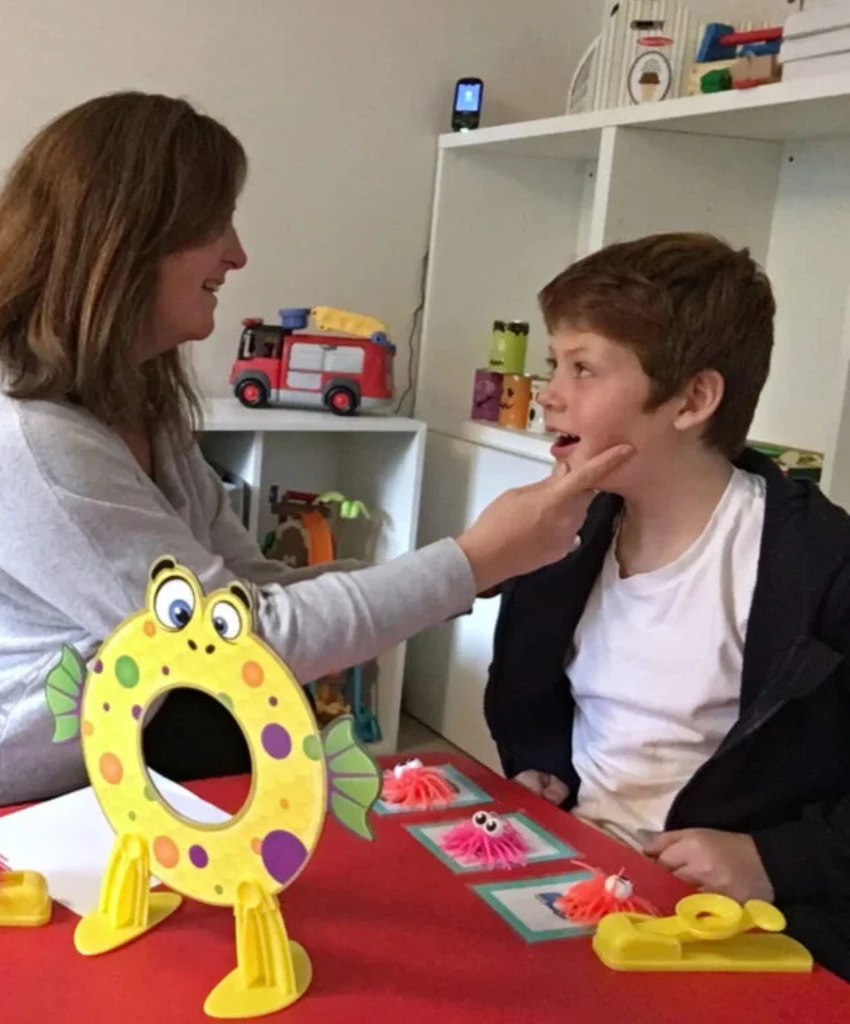
Online therapy is not right for every situation. Some younger children, or those with more complex needs, do better with hands-on support in the same room. A good therapist will always be honest with you about what suits your child, rather than pushing one format over another.
Choosing the Right Support
This is exactly why families look for private children’s speech therapy that offers flexibility. A qualified therapist should first properly assess your child, then suggest online, in-person, or a mix of both, based on what actually works for your child, not just convenience.
Final Thoughts
Watching your child struggle to communicate is hard on any parent’s heart. The good news is that distance does not have to stand between your child and real progress. At Chattertots, therapy is built around what your child needs, whether that means a screen-based session or an in-person session, with speech therapy for children at the centre of everything we do.
FAQs
- What’s the difference between speech therapy and language therapy?
Speech therapy focuses on how sounds are produced, including lisps and stuttering. Language therapy works on understanding and using words, sentences, and grammar. Many children need a bit of both.
- My child is shy on camera. Will that affect progress?
It might take a session or two to warm up, but most children settle in quickly once games and familiar routines are introduced. Therapists are trained to build that comfort early on.
- How soon will I notice a difference?
It varies by child, but many parents start noticing small changes, such as clearer speech or greater confidence speaking up, within 6 to 8 weeks of regular sessions.
- Can siblings or grandparents join a session?
Yes, and it often helps. Having familiar faces involved gives the child extra encouragement and helps the whole family use the same techniques at home.
- What if my child has both a hearing issue and a speech delay?
That’s common, and it’s worth mentioning at your first assessment. A therapist can adjust the approach to address both together rather than treating them separately.