You speak one language to your child because it is your mother tongue. Your partner, your grandparents, or your nursery speaks another. Then someone says, “Maybe two languages are confusing him.” Suddenly, a beautiful gift starts to feel like a mistake. If your child is slow to talk, that doubt can keep you awake at night.
Let us put that worry to rest first. Speaking two languages does not cause speech delay.
What the Research Says
Studies show that children can learn two languages as easily as one. Their brains are built for it. Bilingual children usually reach milestones, like first words and short phrases, around the same time as children who learn one language. A delay that appears in a bilingual child is not caused by the second language. It would have shown up in one language too.
What Looks Different, But Is Completely Normal
Some things can look worrying but aren’t. A bilingual toddler may know fewer words in each language, but when you count both languages together, their vocabulary is on par with other children. They might mix words from both languages in one sentence. That is not confusion. It is a clever way of using everything they know.
Some children also go quiet for a while when they begin hearing a new language, especially at nursery. This quiet phase often passes with time and gentle encouragement.
Signs That Deserve a Closer Look
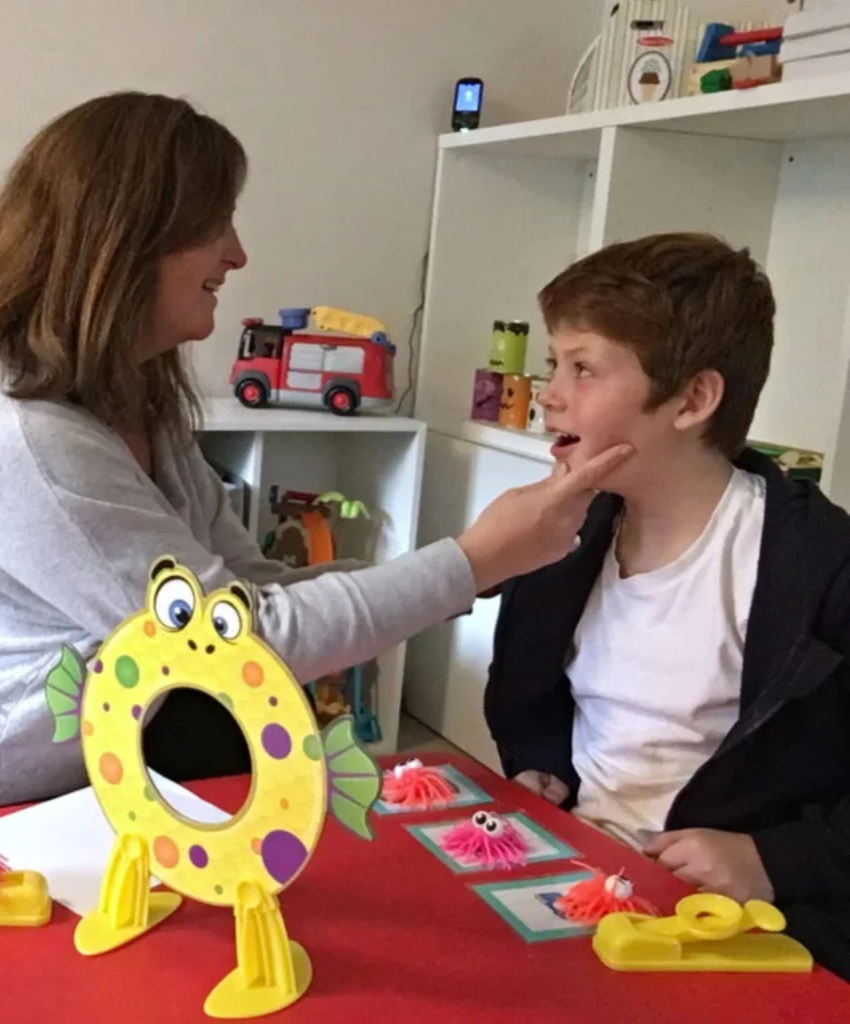
Pay attention if your child uses very few words in both languages. Watch whether they follow simple instructions in either language. Notice if they seem frustrated and cannot communicate. These signs are worth discussing with a child speech therapist in Guildford who can assess your child’s skills across both languages, not just one.
Please Do Not Drop a Language
Many families are advised to stop speaking their home language. This is outdated advice. Dropping a language can weaken your child’s bond with family, culture, and identity. The best approach is to keep speaking the language you feel most natural in. Rich, warm conversation matters far more than the language itself.
Finding Support That Understands Your Family
Your child’s needs should be assessed in a way that respects both languages. A child speech therapist Godalming families trust will ask about what is spoken at home, who speaks it, and how your child responds. This gives a fairer picture and avoids mistaking a language difference for a language difficulty.
Support From the Comfort of Home
Busy parents often worry about travel, appointment times, and finding a therapist who understands multilingual homes. An online speech therapist Surrey families can access from the sofa removes many of those barriers. Children are often more relaxed in their own space, and parents can join in and learn simple tools to use every day.
Final Thoughts
Raising a bilingual child is a gift, not a risk. If you are unsure about your child’s speech, asking for advice is the best first step. Chattertots supports families with caring, personal guidance, including a flexible online speech therapist Surrey parents can book with
confidence.
FAQs
- Does speaking two languages delay a child’s speech?
No. Bilingualism does not delay speech; bilingual children reach milestones at similar times as other children.
- Is it normal for my child to mix both languages?
Yes. Mixing languages is a normal part of bilingual development and shows children are using all their skills.
- Should I stop speaking my home language if my child is slow to talk?
No. Keep speaking the language you are most comfortable with, as a strong home language supports overall learning.
- How do I know if my bilingual child has a real delay?
Look for limited words or understanding in both languages, or frustration when trying to communicate.
- Can a speech therapist assess both languages?
Yes. A therapist can consider your child’s skills across both languages and what is spoken at home.