You call your toddler’s name from across the room. Nothing. You say it again, louder this time, and they still carry on lining up their toy cars as if you weren’t there. You wonder whether they heard you or just chose not to answer. Then the quiet worry begins. Is something wrong?
If you have been through this, please know it is one of the most common concerns parents bring to a speech and language therapist in Guildford, families turn to for advice. You are not imagining it, and you are not being dramatic.
Why Responding to a Name Matters
When a toddler turns to their name, it shows more than good hearing. It shows they know the sound belongs to them, that someone wants to connect, and that they are ready to share attention. These small moments are the building blocks of social communication, which is how children learn to chat, play, and understand others.
Most children start turning to their name between 6 and 12 months. By around 18 months, they usually respond consistently, though busy toddlers may still ignore you sometimes.
Common Reasons Behind the Silence
Not responding does not always mean a serious problem. A child may be deeply focused on play. They may be tired or distracted by noise. Sometimes a temporary hearing issue, such as fluid in the ears after a cold, makes it harder to catch a name being called. A hearing check is a sensible first step.
For some children, the difficulty is linked to how they process and respond to social information. This is where a professional view can bring real clarity.
Other Signs to Watch Alongside It
One missed response is rarely a concern on its own. It becomes more meaningful when you also notice limited eye contact, little pointing or waving, few attempts to share toys with you, or less back-and-forth babbling. A speech and language therapist in Godalming can look at the whole picture, not just one behaviour.
What Does Support Look Like?
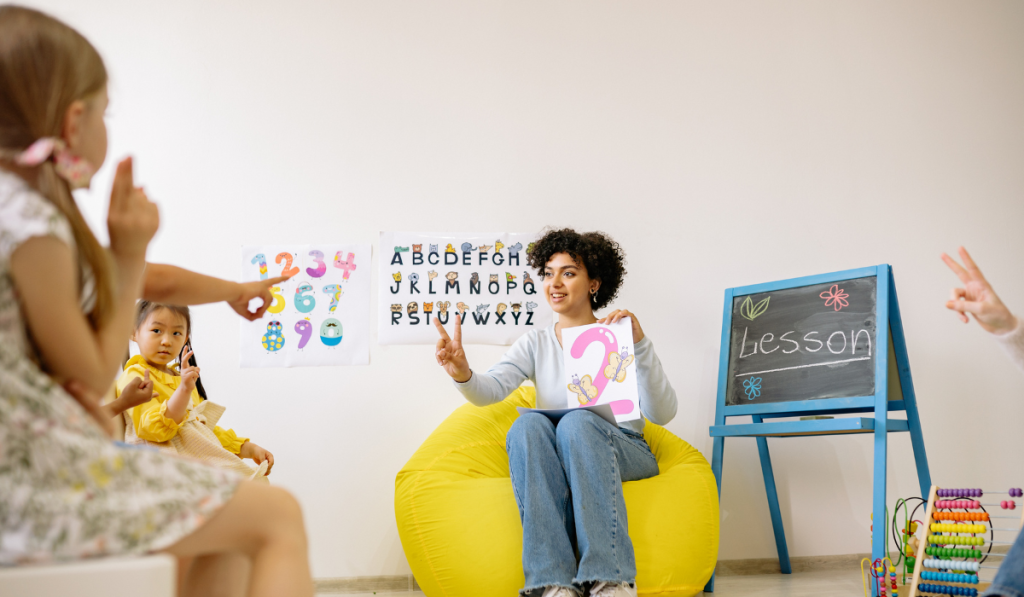
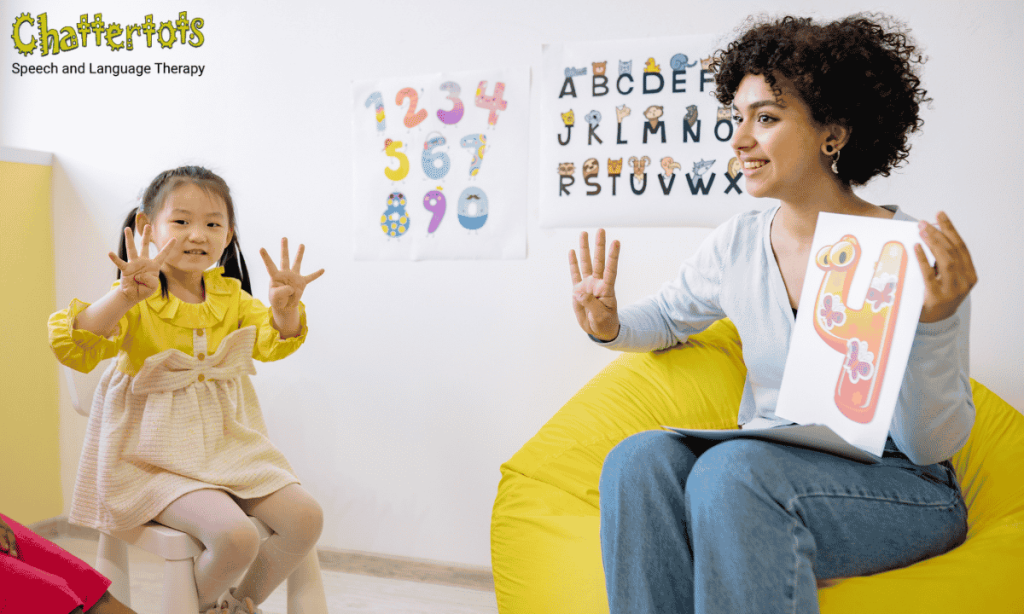
Many parents imagine formal tests and strict rules. In reality, early support is playful and gentle. A therapist watches how your child plays, uses sounds and gestures and responds to you. Families searching for speech therapy for children in Guildford often say the first session felt more like a friendly chat than an examination.
Simple Things You Can Try at Home
Get down to your child’s level before saying their name. Use a warm, cheerful voice and add a smile or a gentle touch. Reduce background noise from the television during play. Copy their sounds and actions so they feel noticed and understood. Celebrate every tiny response, even a glance.
Getting Help Without the Long Wait
Early guidance can make a lasting difference, and you don’t need to wait for things to get harder. Parents looking for speech therapy for children in Godalming can find support that fits around busy family life, with clear feedback and simple next steps.
Final Thoughts
A toddler who doesn’t respond to their name isn’t ignoring you on purpose, and you haven’t done anything wrong. What matters is listening to your instincts and asking questions early. Chattertots helps local families understand their child’s communication with kindness and clarity, offering trusted speech and language therapist support in Guildford from the very first conversation.
FAQs
- At what age should a toddler respond to their name?
Most children begin responding between 6 and 12 months, and it is usually consistent by 18 months.
- Does not responding to their name mean my child has a problem?
Not always. It can be due to focus, tiredness, or hearing, but repeated lack of response is worth checking.
- Should I get my toddler’s hearing tested first?
Yes. A hearing check helps rule out temporary or ongoing hearing difficulties.
- What is social communication?
It is how children use eye contact, gestures, sounds, and words to connect and share with others.
- Can I help my child at home?
Yes. Get close, use their name warmly, reduce noise, copy their sounds, and celebrate every response.